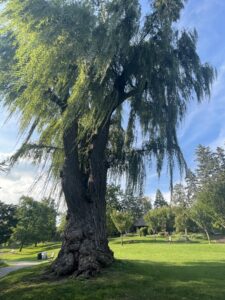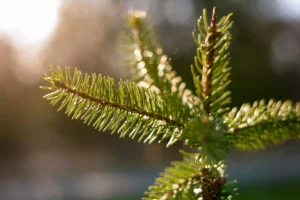
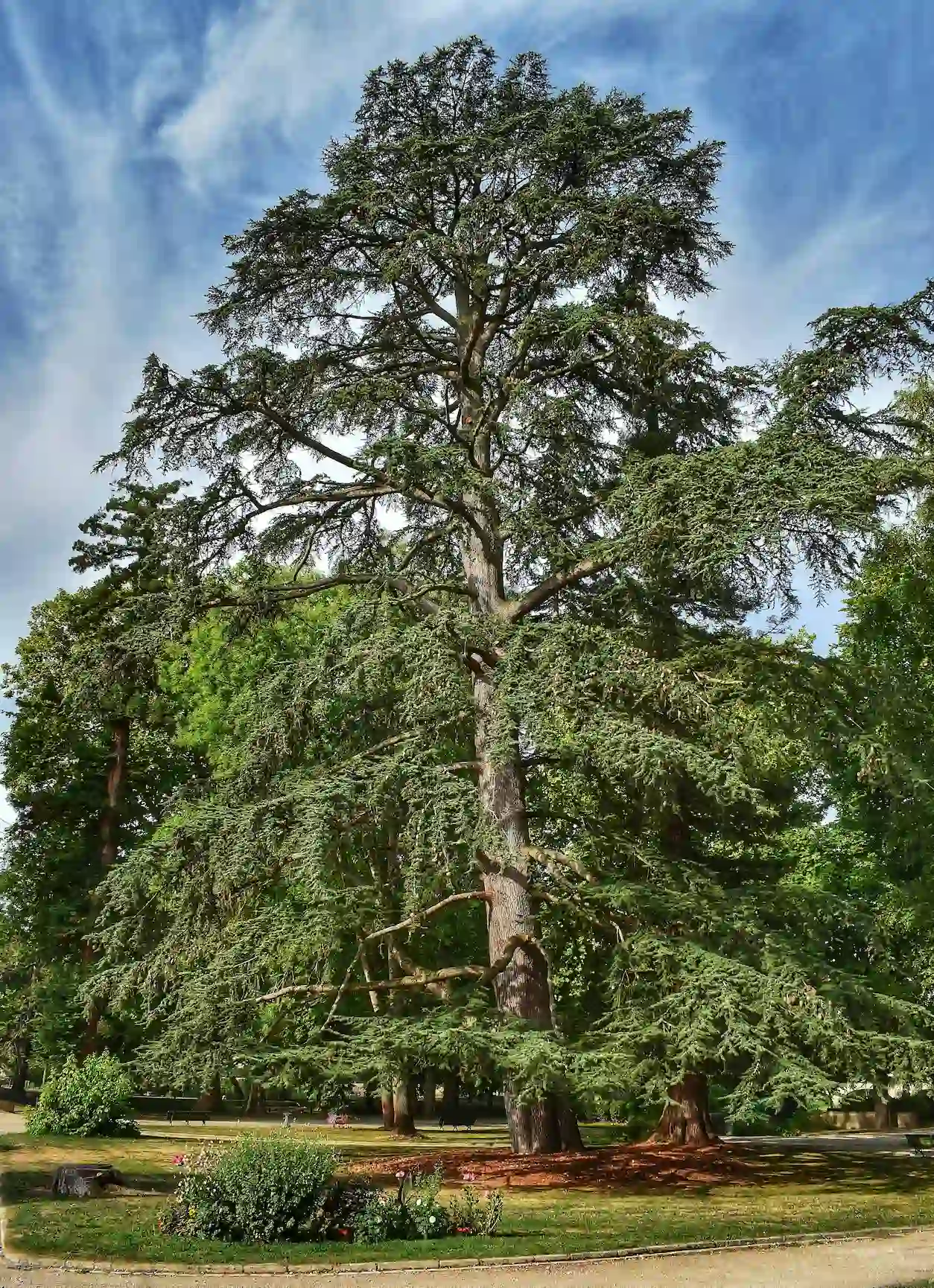
Today, we’re diving into the world of the mighty Cedar, a tree that feels like an old friend to anyone who’s wandered Ontario’s forests. Why the cedar? Simple, it’s a timeless guardian of our landscape, with roots stretching back 700 to 1,300 years, watching over Toronto’s story unfold. Standing in its presence, you can’t help but feel closer to its spirit, its strength, and the quiet support it offers.
A Spiritual Connection
On a spiritual level, the cedar is like a wise elder, ready to lend you strength, protection, and a deeper tie to your own spirituality. The Salish peoples, for example, call it the “Tree of Life,” seeing it as a symbol of care, abundance, and a bridge to the soul. That reverence isn’t unique to Indigenous cultures here. In the Bible, King Solomon chose cedar wood to build the temple in Jerusalem, a nod to its purity and resilience in his time. In Hinduism, too, the cedar is tied to divinity and enlightenment, often planted near temples as a beacon of spiritual uplift.
Emotional Well-Being
The cedar doesn’t just speak to the soul, it soothes the heart. Its aromatic compounds have a way of calming the mind, easing anxiety, and fostering deep healing. Science backs this up: the scent of cedar wood has sedative effects, helping to melt away stress. Programs like Cedar Tree Mental Health & Well-being tap into this, using the tree’s aroma in therapy to nurture inner peace. Indigenous teachings also highlight the cedar’s role in balancing emotions, physical health, and spirit, offering a holistic path to healing during life’s tougher moments.
Medicinal Gifts
When it comes to healing, the cedar is a powerhouse. Its leaves, bark, and wood have long been used to support the respiratory system. Across North American Indigenous communities, cedar tea is brewed to ease fevers, soothe rheumatic pain, and tackle colds, flu, or bronchitis, thanks to its high vitamin C content and natural antibiotic properties.
Now that you know a bit more about the cedar’s gifts, we invite you to connect with it. Find a quiet moment to stand beside one, take in its grandeur, and let its presence ground you in the moment. Here are a few spots around Toronto where you can meet these gentle giants:
References:
Kagawa, D., Jokura, H., Ochiai, R., Tokimitsu, I., & Tsubone, H. (2003). The sedative effects and mechanism of action of cedrol inhalation with behavioral pharmacological evaluation. Planta Medica, 69(7), 637–641. https://doi.org/10.1055/s-2003-41114
Cedar Tree Mental Health & Well-being. (n.d.). Cedar Tree Mental Health & Well-being, from https://www.cedartree-mhw.co.uk/
Red River College Polytechnic. (2020, March 25). Healing with cedar at home. https://www.rrc.ca/indigenous/2020/03/25/healing-with-cedar-at-home/