As immigrants from a country without distinct seasons, we continue to be amazed by the many customs and traditions that Canada, and North America in general, hold for each time of year. That’s why today we wanted to dive a little deeper into Groundhog Day.
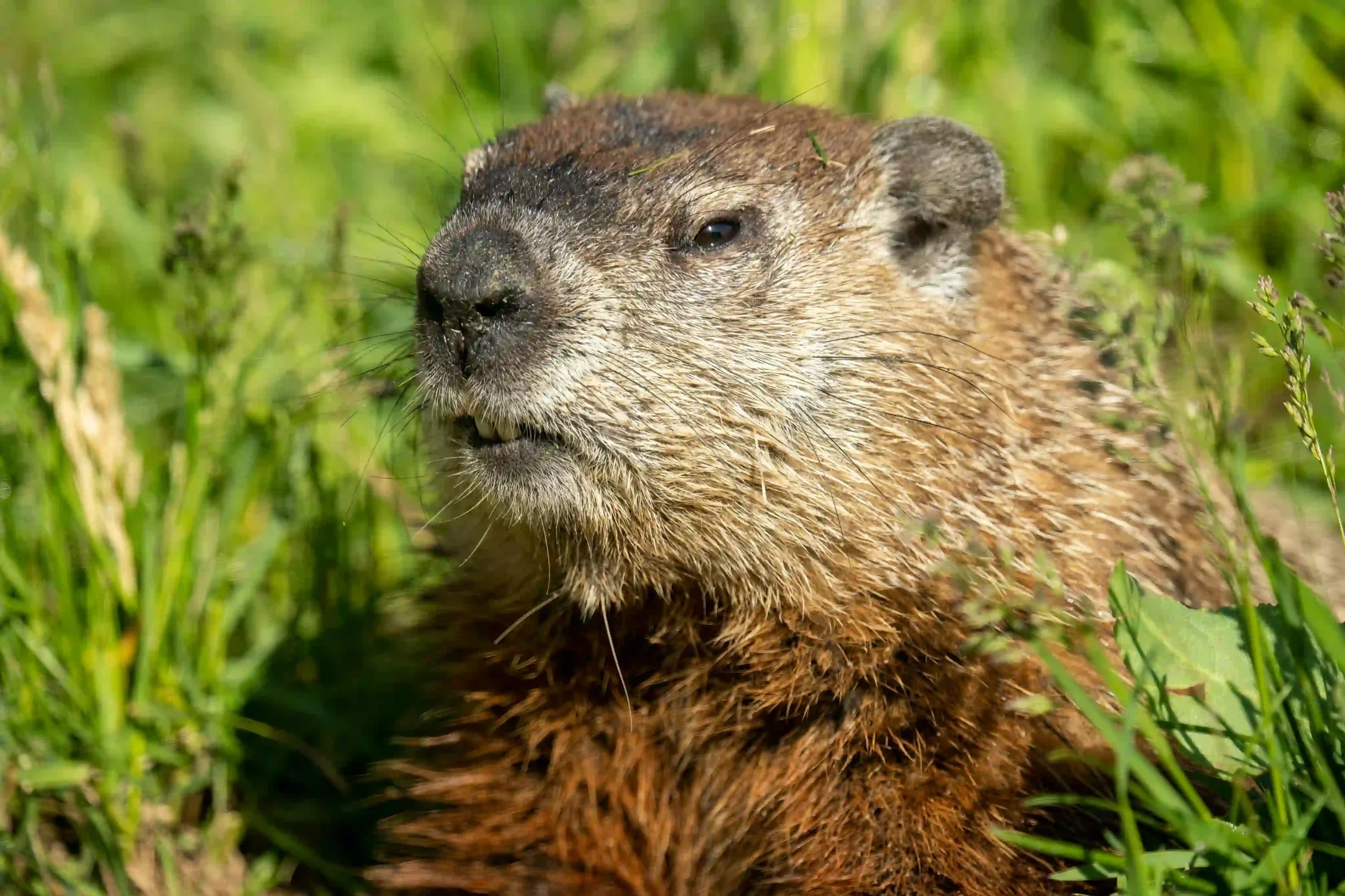
Firstly, the stars of this day are native to this continent. These creatures tend to be solitary by nature; as for their diet, while they’re highly adaptable to whatever their habitat offers, it’s largely herbivorous. One of their greatest gifts is the ability to hibernate through the winter, usually awakening again toward the end of winter or the beginning of spring.
So where did their special day come from? And why do we entrust them with the big task of predicting whether winter will linger or spring will arrive early? This tradition is largely credited to German and Swiss immigrants, better known as the Pennsylvania Dutch, who brought this belief to their new community in Pennsylvania in the 18th century. In European folklore, people would watch animals like hedgehogs or badgers: if they saw their shadow on a sunny day, it meant six more weeks of winter; if not, an early spring was on its way.
However, upon arriving and not finding hedgehogs or badgers in that area, they adapted the tradition to use the groundhog instead, a creature that shared many of the same qualities: it’s a hibernating animal, lives in burrows, is shy, and emerges around February or March. And the best part? It’s wonderfully abundant across this continent!
To this day, every February 2nd in Canada, a country so vast it needs more than one wise groundhog to guide us, this tradition takes place across several provinces. Each has its own famous furry forecaster: Wiarton Willie in Ontario, Shubenacadie Sam in Nova Scotia, Fred la Marmotte in Quebec, and many more. They all emerge to share their verdict on the weeks ahead.
In the end, whether the groundhog sees its shadow or not, this tradition reminds us of something truly beautiful: nature is always inviting us to pause, observe, and flow with the changes. In a land of such pronounced seasons like Canada, Groundhog Day becomes a gentle collective ritual for reconnecting with the cycle of life. What is your own inner groundhog whispering to you this February? Perhaps it’s time to hibernate just a little longer… or to start dreaming of spring.
References:
Britannica. (s. f.). Groundhog Day. Encyclopædia Britannica. https://www.britannica.com/topic/GroundhogDay
History.com Editors. (2012, 2 de febrero). Groundhog Day: Meaning, origins and facts. HISTORY. https://www.history.com/topics/holidays/groundhog-day-history-and-facts
Library of Congress. (2022, 1 de febrero). Groundhog Day: Ancient origins of a modern celebration. Folklife Today. https://blogs.loc.gov/folklife/2022/02/groundhog-day-ancient-origins-of-a-modern-celebration